
Summary
Home care's appeal as an affordable option for aging parents often masks substantial hidden costs beyond hourly caregiver rates. Understanding these expenses helps Raleigh families make realistic comparisons between home support and other living arrangements.
- Home modifications like grab bars, ramps, walk-in showers, and accessible fixtures require significant upfront spending and ongoing updates.
- Care hours multiply quickly when support needs expand from occasional visits to full-day or overnight assistance with bathing, medication, and mobility.
- Emergency backup coverage for caregiver absences, illness, and vacations often costs more than regularly scheduled services.
- Household services (groceries, cleaning, lawn care, transportation, utilities) continue alongside personal care expenses and strain monthly budgets.
- Family caregivers may reduce work hours or leave jobs entirely, creating hidden costs through lost wages and reduced retirement contributions.
Home care may seem like an affordable way to help an aging parent remain in familiar surroundings. But the hourly rate is only part of the financial picture. Home modifications, additional care hours, household expenses, and emergency coverage can make staying at home more expensive than expected.
Understanding the hidden costs of home care for seniors helps Raleigh, NC, families compare their options and make informed decisions about long-term support.
Home Modifications and Safety Equipment
Making a home safer for an aging parent may require more than a few simple updates. Depending on mobility and accessibility needs, families may face significant upfront expenses.
Common modifications include:
- Installing grab bars, wheelchair ramps, and stair lifts
- Replacing traditional bathtubs with walk-in showers
- Widening doorways to accommodate mobility equipment
- Removing trip hazards and updating flooring
- Adding accessible bathroom fixtures
The cost of home modifications for seniors varies depending on the home's layout and the work required. More extensive renovations can quickly strain a family's budget.
Specialized equipment creates additional expenses. Adjustable beds, transfer lifts, shower chairs, mobility aids, and emergency alert systems may all become necessary.
Insurance coverage varies, and some items must be purchased out of pocket. As an older adult's needs change, they may need further modifications.
When Hours of Care Exceed Your Budget
Hiring a professional caregiver for a few hours each week may seem manageable at first. However, home care expenses add up when someone needs assistance throughout the day or overnight.
Families may start with occasional visits, then discover their parent needs help with bathing, dressing, meals, medication reminders, or mobility.
Additional expenses may include:
- Higher hourly rates for evening and weekend coverage
- Holiday surcharges and overnight assistance
- Additional caregivers when longer shifts are needed
- Increased weekly hours as support needs change
For someone requiring continuous supervision, arranging 24-hour coverage means accounting for 168 hours each week.
This is where the true cost of aging at home becomes clearer. Families should calculate monthly expenses based on actual support needs, not advertised hourly rates alone.
Backup Care and Emergency Coverage
Even dependable caregivers need time off. Illness, vacations, scheduling conflicts, and unexpected departures can leave families searching for replacement coverage.
Last-minute arrangements may cost more than regularly scheduled services. When professional support isn't available, relatives often step in, sometimes taking unpaid leave or traveling unexpectedly.
These are among the unexpected costs of caring for a parent that families may overlook during initial planning.
Beyond the financial impact, coordinating multiple caregivers requires time and attention. Families must manage schedules, communicate changing needs, and prepare for emergencies.
Household Management and Daily Expenses
Professional home care doesn't necessarily include every household responsibility. Families may need to arrange additional services to keep daily life comfortable and manageable.
Common ongoing expenses include:
- Grocery delivery and meal preparation
- Housekeeping and laundry services
- Lawn care, repairs, and property maintenance
- Transportation to appointments and social events
- Utilities, insurance, and household supplies
These expenses continue alongside the cost of personal assistance. Some families also purchase medical supplies or equipment that insurance doesn't fully cover.
For Raleigh homeowners, maintaining an older property can add costs, especially when accessibility improvements or major repairs become necessary.
The Emotional and Opportunity Costs
Not every expense appears on a monthly statement. Family caregivers may reduce their working hours, decline professional opportunities, or leave their jobs to coordinate a parent's support.
Lost wages can affect household finances immediately, while reduced retirement contributions and Social Security earnings may have longer-term consequences.
Caregiving responsibilities can also affect personal relationships and well-being. Managing appointments, arranging transportation, and responding to emergencies takes time away from other commitments.
These challenges don't mean aging at home is the wrong choice. They simply deserve consideration when evaluating the full financial and personal impact of providing ongoing support.
Comparing the True Financial Picture
A home care vs. assisted living expense comparison should account for more than monthly service fees.
Senior living communities may combine housing, dining, housekeeping, social programs, and personalized assistance into a more predictable monthly arrangement. However, pricing and included services vary, so families should request a detailed breakdown.
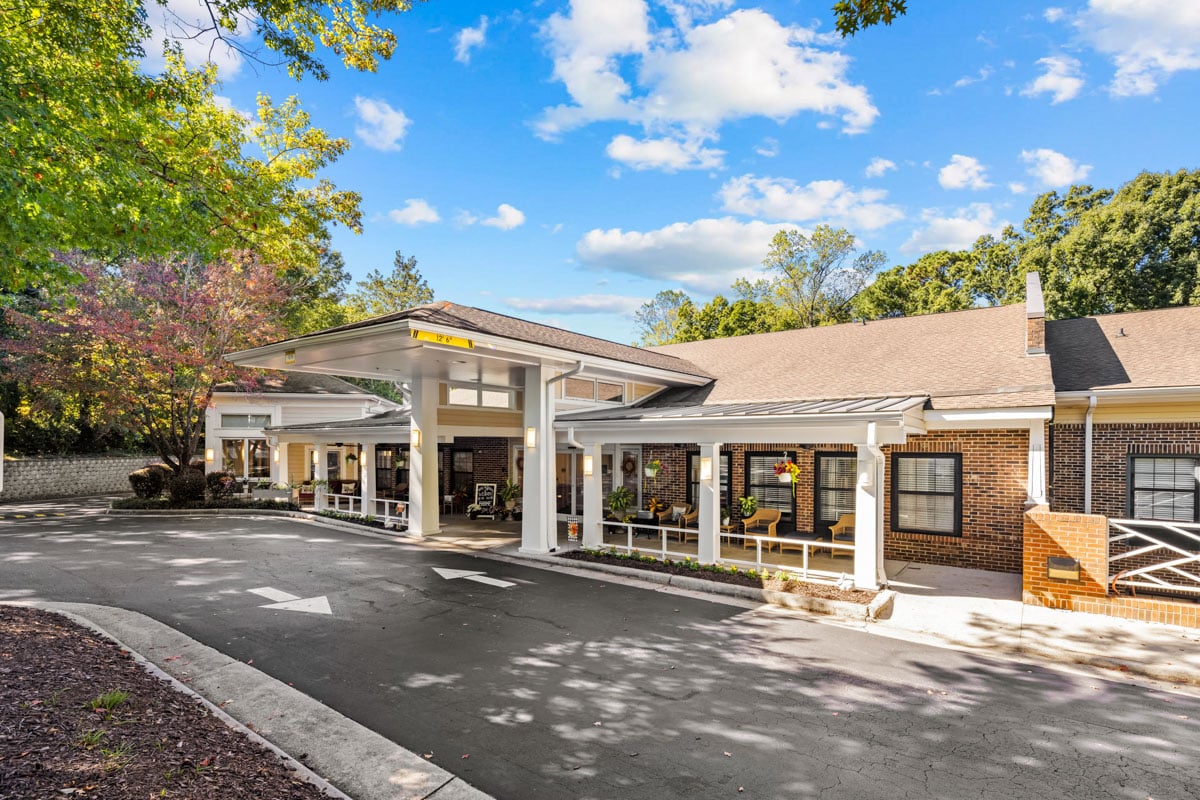
At Morningside of Raleigh, families can explore Assisted Living and GLOW® Memory Care options designed around different support needs.
Looking Beyond Monthly Costs
When comparing expenses, consider the value of having meals, daily programs, and assistance available within one community.
For someone who needs help with daily routines, Morningside of Raleigh's Assisted Living offers an alternative to coordinating multiple providers at home. The community also offers GLOW® Memory Care, a more specialized setting for residents living with dementia.
Families should also ask about additional service charges, apartment options, and how costs may change as support needs evolve.
Making an Informed Decision in Raleigh
The right choice depends on your parent's preferences, support needs, financial situation, and your family's available resources.
Compare actual household expenses with community pricing, including services that may carry additional fees. Consider both immediate needs and how circumstances could change over time.
Understanding the true cost of aging at home makes it easier to evaluate options without overlooking expenses that may affect your family's budget.
Schedule a visit to explore senior living options at Morningside of Raleigh and discuss your family's needs.