
Summary
Paying for memory care without selling the house is often possible through careful financial planning and exploring multiple funding sources. Rather than immediately selling the family home, families can access various resources to cover memory care costs while preserving this important asset.
- Review all income sources including Social Security, pensions, investments, and savings to determine realistic affordability
- Consider home equity options like reverse mortgages or home equity lines of credit that allow you to access funds while retaining ownership
- Explore Veterans Benefits, long-term care insurance, and Medicaid programs that may offset memory care expenses
- Generate rental income by renting the home or securing family contributions to cover monthly community costs
- Consult an elder law attorney to understand asset protection strategies and state-specific Medicaid guidelines before making decisions
When someone you love needs memory care, financial concerns often become one of the first challenges families face. Many assume selling the family home is the only way to cover costs. In reality, paying for memory care without selling their house may be possible through careful planning and a combination of financial resources.
For many families, the home represents more than an asset. It holds decades of memories and may still provide housing for a spouse or serve as part of a long-term financial plan. Before making a major decision, explore the many financial options for dementia care costs that may help you preserve both quality of life and their property.
Understanding Memory Care Costs and Building a Plan
The first step is understanding the costs of memory care in your area. Expenses often include:
- Apartment accommodations
- Personalized support and daily assistance
- Dining services and snacks
- Specialized dementia-focused programs
- Additional services based on individual needs
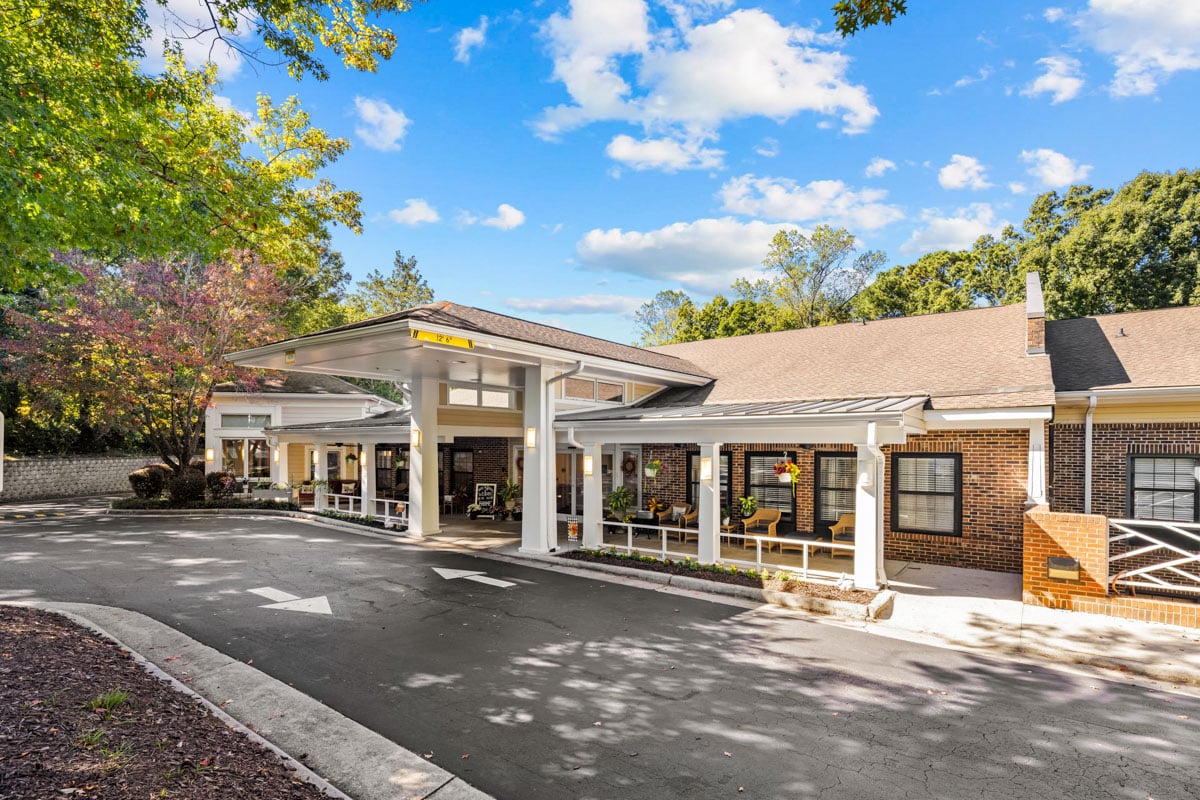
Families touring Morningside of Raleigh can explore GLOW℠ Memory Care. This personalized approach focuses on preserving dignity and honoring individual life stories. This creates meaningful daily experiences for residents living with Alzheimer's disease or related dementias.
Once you understand projected costs, review all available income sources and assets. Social Security benefits, pensions, retirement accounts, investment income, and savings can all contribute toward monthly expenses. A detailed budget often shows that affording memory care and keeping the home may be more realistic than initially expected.
Using Home Equity Without Selling
One of the most common strategies for paying for memory care without selling their house involves accessing home equity.
A reverse mortgage allows homeowners age 62 or older to convert part of their home's equity into cash while retaining ownership. Repayment generally occurs when the home is sold or no longer serves as the primary residence. This option can be particularly helpful when one spouse remains in the home.
Another possibility is a home equity line of credit (HELOC) or home equity loan. These financing tools provide access to funds depending on the property's value while allowing families to maintain ownership. For those seeking memory care payment alternatives to home sale, this can provide valuable flexibility while longer-term plans are considered.
Veterans Benefits and Long-Term Care Insurance
Veterans and surviving spouses may qualify for Aid and Attendance benefits through the Department of Veterans Affairs. This benefit can provide monthly financial assistance that helps offset memory care expenses without requiring the sale of the family home.
Long-term care insurance may also help cover certain dementia-related services. Coverage varies by policy, so it's important to review details carefully, including:
- Daily and monthly benefit limits
- Elimination or waiting periods
- Length of coverage
- Covered services and support levels
Working closely with your insurance provider and community representatives can help maximize available benefits and reduce out-of-pocket costs.
Turning the Home Into a Source of Income
For some families, renting the home offers a practical solution for keeping the house while paying for memory care.
Rental income can provide consistent monthly funds that help cover community expenses. Depending on the property's size and location, families may choose to rent the entire home or explore other rental arrangements. Professional property management companies can oversee maintenance, tenant communication, and rent collection if family members prefer a hands-off approach.
Another strategy involves family contributions. Adult children and relatives sometimes choose to share costs, making it easier to finance memory care and keep their property. Clear communication and written agreements can help everyone stay aligned on expectations and future plans.
Exploring Medicaid and Asset Protection Strategies
Medicaid may help cover certain memory care expenses for eligible individuals, although rules vary by state. Consulting an elder law attorney can help families understand eligibility requirements and available planning strategies.
In some situations, a primary residence may receive special treatment under Medicaid guidelines, allowing families to preserve the property while pursuing benefits. Asset protection tools such as trusts and spousal protections may also play a role.
Because regulations can be complex, professional guidance is often one of the most valuable investments families make. Understanding available financial options for dementia care costs can help you create a plan that protects both your loved one's future and your family's assets.
Why Taking Time to Explore Your Options Matters
Families facing a memory care decision often feel pressure to act quickly. However, rushing into a home sale may not be necessary. By exploring financing options, insurance benefits, home equity solutions, rental income opportunities, and public assistance programs, many families discover they have more choices than expected.
Morningside of Raleigh offers GLOW℠ Memory Care, which provides personalized experiences, flexible daily routines and engaging programs. Individualized support adapts as residents' needs evolve. The goal is helping each resident feel seen, valued, and comfortable in a setting that respects their unique story.
If you're beginning to explore memory care options in Raleigh, understanding your financial resources can help you make confident decisions. This way, you can support both your loved one and your family's long-term goals.
Discover a compassionate community where your loved one feels welcome and cared for at Morningside of Raleigh. Schedule a personalized tour to learn how we can support your family.