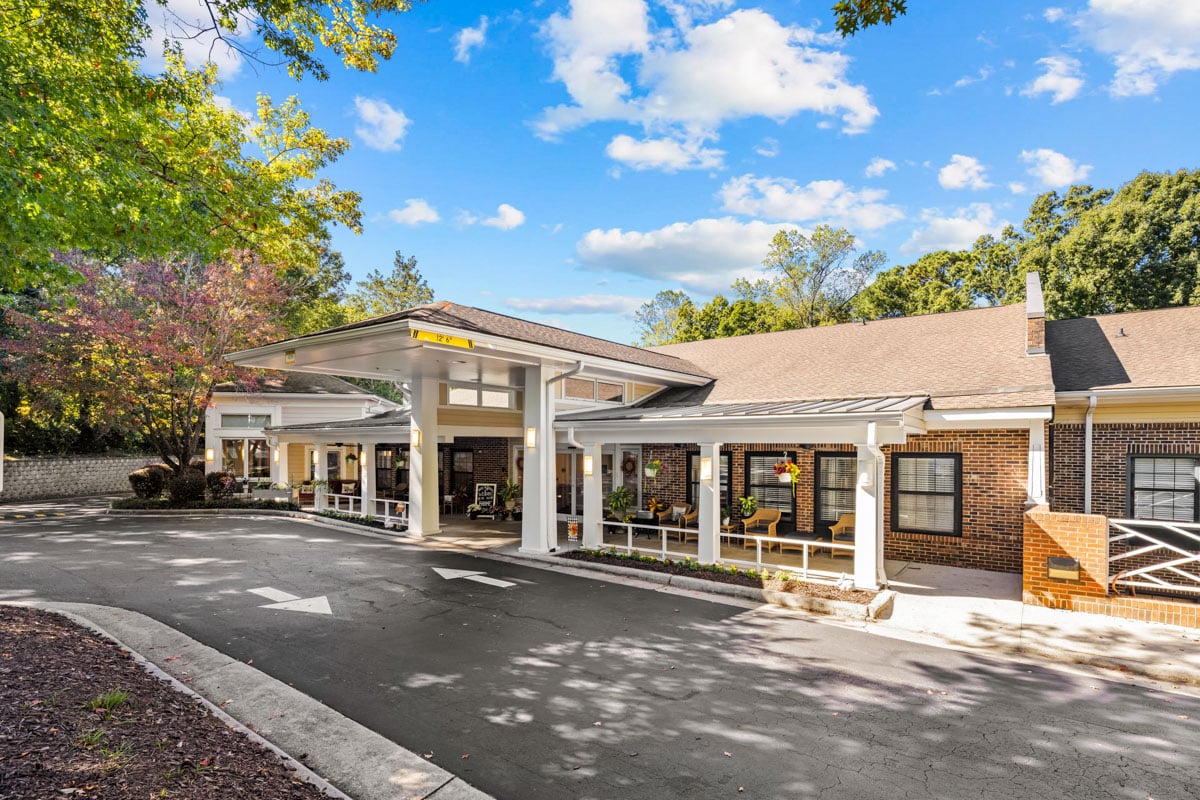

Memory care in Raleigh, NC, helps seniors live safely with structure, comfort, and personalized support. The goal is to preserve dignity and peace of mind while reducing confusion and risk. For many families, choosing professional care means ensuring loved ones receive consistent routines and compassionate attention every day.
Over 7 million people in America are living with Alzheimer's, a number expected to nearly double by 2050, according to the Alzheimer's Association. As memory loss becomes more common, families in Raleigh are seeking environments that balance safety with stimulation. Raleigh's tree-lined neighborhoods and calm pace make it a fitting spot for supportive programs that help older adults maintain stability.
Morningside of Raleigh offers a secure and welcoming setting where residents can thrive. With thoughtful routines and caring guidance, every day is made meaningful.
What Makes Memory Care in Raleigh, NC, Important?
Memory care offers a structured environment for seniors with Alzheimer's or dementia. It focuses on safety, consistency, and comfort. Residents benefit from trained staff who understand how to manage memory-related conditions with patience and empathy.
Structure helps reduce anxiety and confusion that memory loss can bring. A predictable schedule supports calmness, while familiar surroundings encourage confidence. This balance allows residents to feel secure as they navigate each day.
How Structure Builds Stability
Predictable routines are the foundation of strong memory care programs. Regular mealtimes, daily activities, and consistent caregivers help residents feel grounded. These elements strengthen recognition and provide emotional comfort.
Repetition supports memory and emotional balance in seniors with dementia. It also helps caregivers anticipate needs and build trust. At Morningside of Raleigh, this structured rhythm becomes a source of calm, helping residents stay engaged with purpose.
The Role of Environment in Memory Health
A secure, home-like environment is essential for dementia support in NC that families depend on. Soft lighting, soothing colors, and clear layouts make it easier to move safely through daily spaces. Familiar décor or personal items can bring comfort and reduce agitation.
Safe surroundings protect both physical and emotional well-being. For many, the design of the community becomes part of the care itself, offering peace of mind and independence within safe limits.
The Importance of Nutrition in Cognitive Support
Good nutrition plays a major role in brain health. For someone with Alzheimer's or dementia, a poor diet can worsen behavioral symptoms and cause unwanted weight loss. According to the Alzheimer's Association, balanced meals are critical to maintaining energy and mental stability.
Morningside of Raleigh personalizes its dining experience to meet the special dietary needs of memory care residents. Chef-prepared meals emphasize taste, nutrition, and variety. Personalized attention ensures each resident gets proper nourishment to stay healthy and strong.
Engagement and Stimulation in Memory Care
Active engagement helps slow cognitive decline. Programs focused on movement, creativity, and sensory experiences can make a major difference. According to a paper on sensory and memory therapies by Michael Mileski et al., published in Clinical Interventions in Aging, stimulation improves attention and social interaction in dementia care.
Meaningful activities help residents reconnect with themselves and others. Whether through art, gentle exercise, or music, these activities encourage participation and joy.
This community's amenities encourage movement, connection, and mental engagement.
The Value of Nature and Outdoor Time
Nature has a strong effect on people with memory loss. Research shows that being outdoors can slow symptom progression and improve mood. Sunshine, greenery, and gentle movement reduce agitation and enhance sleep quality.
Personalized Care for Memory Support
Each person's experience with Alzheimer's or dementia is unique. Quality Alzheimer's care Raleigh programs rely on customized support that meets both physical and emotional needs. This means adjusting routines, dietary plans, and engagement activities based on individual preferences and abilities.
Personalization creates dignity and comfort for every resident. It allows caregivers to focus on strengths instead of limitations. Over time, this builds trust and enhances the quality of life for both residents and families.
Frequently Asked Questions
What Is the Difference Between Memory Care and Assisted Living?
Memory care provides specialized support for individuals living with Alzheimer's or dementia, while assisted living offers help with daily tasks for those without major cognitive issues. Memory care adds structured schedules, enhanced supervision, and staff trained in memory-related challenges.
Memory care communities focus on cognitive health and emotional comfort. The environment and activities are built specifically to reduce confusion and promote familiarity.
How Do Caregivers Support Residents With Memory Loss?
Caregivers use proven techniques such as validation, redirection, and positive reinforcement. These methods help reduce frustration and maintain engagement.
Staff members also receive ongoing training to understand changes in memory and communication patterns.
Many caregivers form close, trusting relationships with residents, which encourages calmness and cooperation. Familiar faces and gentle voices help maintain a sense of belonging.
What Are Signs a Loved One May Need Memory Care?
Signs include increased confusion, wandering, frequent forgetfulness, and difficulty performing familiar tasks. Emotional changes such as irritability or withdrawal may also appear. When these issues begin to affect safety or daily living, structured care becomes essential.
Early support helps maintain independence longer. Professional memory care provides a balance between freedom and safety.
What Types of Activities Help Seniors With Dementia?
Activities that focus on sensory and memory stimulation work best. Examples include:
- Music therapy
- Gentle exercise
- Art and craft sessions
- Reminiscence games
- Cooking or baking projects
These experiences engage the senses, spark memories, and promote joy. They encourage social interaction and reduce isolation.
How Can Families Stay Involved After a Loved One Moves to Memory Care?
Families can stay connected through visits, shared activities, and communication with staff. Many communities host family events and care conferences to ensure involvement. Staying active in a loved one's care builds reassurance and continuity.
Family presence strengthens emotional connection and continuity of care. Collaboration helps both residents and families feel supported throughout the process.
When Safety Becomes Peace of Mind
Memory care in Raleigh, NC, provides a balance of structure, compassion, and stimulation that protects and uplifts residents. Morningside of Raleigh's signature lifestyle programs, chef-prepared meals, and engaging daily activities set it apart as a leader in compassionate cognitive support for seniors.
Residents here benefit from Morningside memory care that focuses on wellness, creativity, and emotional stability. To explore how this supportive community can bring safety and comfort to your loved one, contact us today.