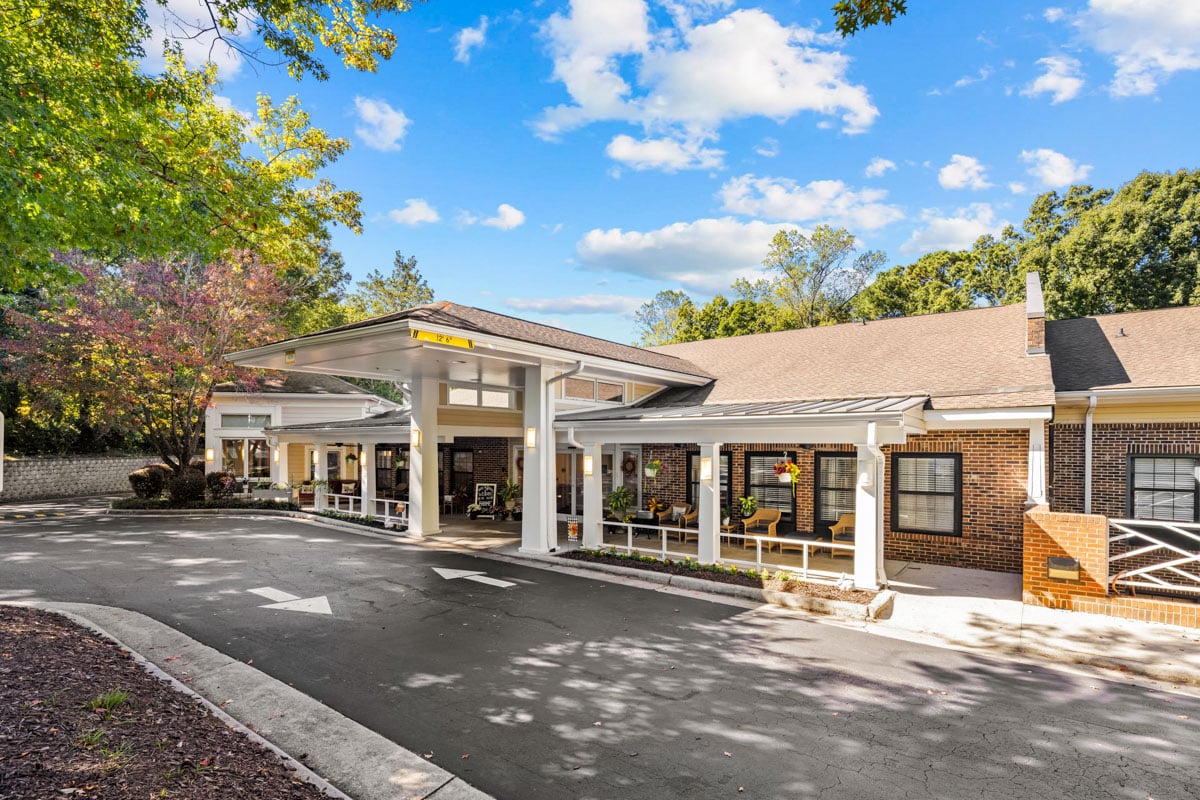

Memory care in Raleigh, NC, supports wellness by using steady routines and familiar surroundings that help older adults feel calm and secure. Structure reduces daily stress, while familiar spaces and faces help people stay engaged with the world around them.
A recent PBS report notes that the risk of developing dementia after age 55 is much higher than once believed, with cases expected to double by 2060. This growing need has led families to seek approaches that focus on consistency and emotional balance.
Located in the heart of Raleigh, North Carolina, Morningside of Raleigh offers memory care services that align with the needs of aging adults. In a city known for its green spaces, local museums, and community pride, residents have access to a quiet and steady lifestyle that supports their well-being.
This article explores how structure and familiarity in care programs help support memory, reduce stress, and improve daily life.
How Structure Shapes Daily Confidence in Memory Care
Structure gives each day a clear rhythm that reduces confusion and anxiety. When activities happen at predictable times, residents can anticipate what comes next and feel more in control.
Daily schedules help the brain conserve energy. Instead of reacting to constant changes, residents can focus on participation and connection.
Consistency creates a sense of safety that allows confidence to grow. This steady pattern is a core part of daily memory care and supports emotional balance.
Why Familiarity Matters for Emotional Wellness
Familiar surroundings help residents feel grounded. Recognizable rooms, furniture, and décor support comfort and ease.
Seeing familiar faces each day builds trust. That trust helps residents feel more willing to engage in conversation and activities.
Familiarity reduces fear by replacing uncertainty with recognition. Over time, this sense of recognition can improve overall mood and cooperation.
Personal history shapes how each resident experiences care. Familiar traditions and preferences matter. Respecting past routines helps residents feel seen and valued.
Memory Care in Raleigh, NC and the Power of Routine
Memory care in Raleigh, NC, often reflects the slower pace and friendly culture of the area. This environment supports senior routines that feel natural rather than rushed.
Regular meal times, activity periods, and rest hours help regulate sleep and appetite. These patterns can improve physical comfort and mental clarity.
A study by Baker et al. in JAMA found that structured lifestyle routines improved memory and processing speed in older adults. Routine helps the brain relax instead of constantly problem-solving. That mental relief supports long-term memory wellness.
Staff at Morningside of Raleigh's GLOW Memory Care program use personalized plans to keep routines meaningful. These plans match each person's needs and past habits, helping them feel connected to their own life story.
Cognitive Enrichment Supports Mental Engagement
Cognitive enrichment focuses on keeping the mind active in gentle ways. Activities are designed to match ability levels and interests.
Simple games, guided discussions, and creative projects help stimulate thinking without pressure. This approach supports attention and processing.
Social Connection Through Group Activities
Group activities build connection when they follow a familiar format. Residents know what to expect and feel more relaxed joining in.
Shared routines help relationships form naturally. Over time, these connections support emotional well-being.
Familiar social moments encourage trust and belonging. These moments are central to the dementia support Raleigh families seek.
The Role of Sensory Experiences in Memory Wellness
Sensory input can spark memories and emotional responses. Smells, sounds, and textures often connect directly to long-term memory.
Familiar music or gentle scents can bring comfort and recognition. These experiences help residents feel present and calm.
Research from UCLA Health suggests scent-based stimulation may help preserve memory. Sensory support is an important part of memory wellness activities.
How the Environment Supports Daily Ease
Clear layouts and consistent spaces reduce confusion. When rooms remain organized, residents can move with greater confidence.
Common areas designed for comfort support both rest and engagement. These spaces feel welcoming and easy to use. Families can explore shared spaces and features through the community amenities available at Morningside of Raleigh.
Frequently Asked Questions
What Makes Memory Care Different From Assisted Living?
Memory care provides more structured support for people living with dementia. It includes daily routines, safety features, and trained staff who understand how memory loss affects thinking and behavior.
Assisted living offers more general help with meals, dressing, and hygiene, but may not include specialized memory services.
How Does Structured Memory Care Reduce Stress?
Structured memory care reduces stress by limiting unexpected changes. Predictable schedules help residents feel prepared rather than overwhelmed. This consistency lowers anxiety and supports calmer behavior throughout the day.
What Makes Familiar Routines Important for Dementia Support?
Familiar routines reduce the need for constant decision-making. This helps conserve mental energy. Over time, routines create comfort that supports emotional stability.
How Do Memory Wellness Activities Differ From Regular Activities?
Memory wellness activities are designed with cognitive ability in mind. They focus on engagement without pressure. These activities support thinking, recall, and enjoyment in balanced ways.
Why Is Location Important When Choosing Memory Care?
Location matters because familiar surroundings can ease transitions. Being in a known city helps residents feel grounded. Raleigh offers a welcoming environment with a familiar regional culture and climate.
How Does Sensory Stimulation Support Cognitive Health?
Sensory stimulation connects directly to emotional memory. Familiar sounds or scents can trigger recognition. This connection supports comfort and emotional response.
How Can Families Support Structure During Visits?
Families can visit at consistent times to support routine. Familiar faces add comfort. Simple shared activities help maintain calm and connection.
Supporting Wellness Through Familiar Structure
Memory care in Raleigh, NC blends structure, familiarity, and thoughtful engagement to support daily comfort and emotional balance. These elements work together to reduce stress and encourage meaningful connection.
Morningside of Raleigh offers a dedicated GLOW Memory Care approach that focuses on routine, recognition, and enrichment designed for older adults with dementia. The community's warm atmosphere and thoughtfully designed spaces, such as the outdoor patio area and game room, help residents feel at ease.
If you want to learn how this structured and familiar approach can support someone you love, contact us to schedule a tour and explore memory care at Morningside of Raleigh.